The Ceremony We Chose
My Honest Experience Getting Married in Mexico.
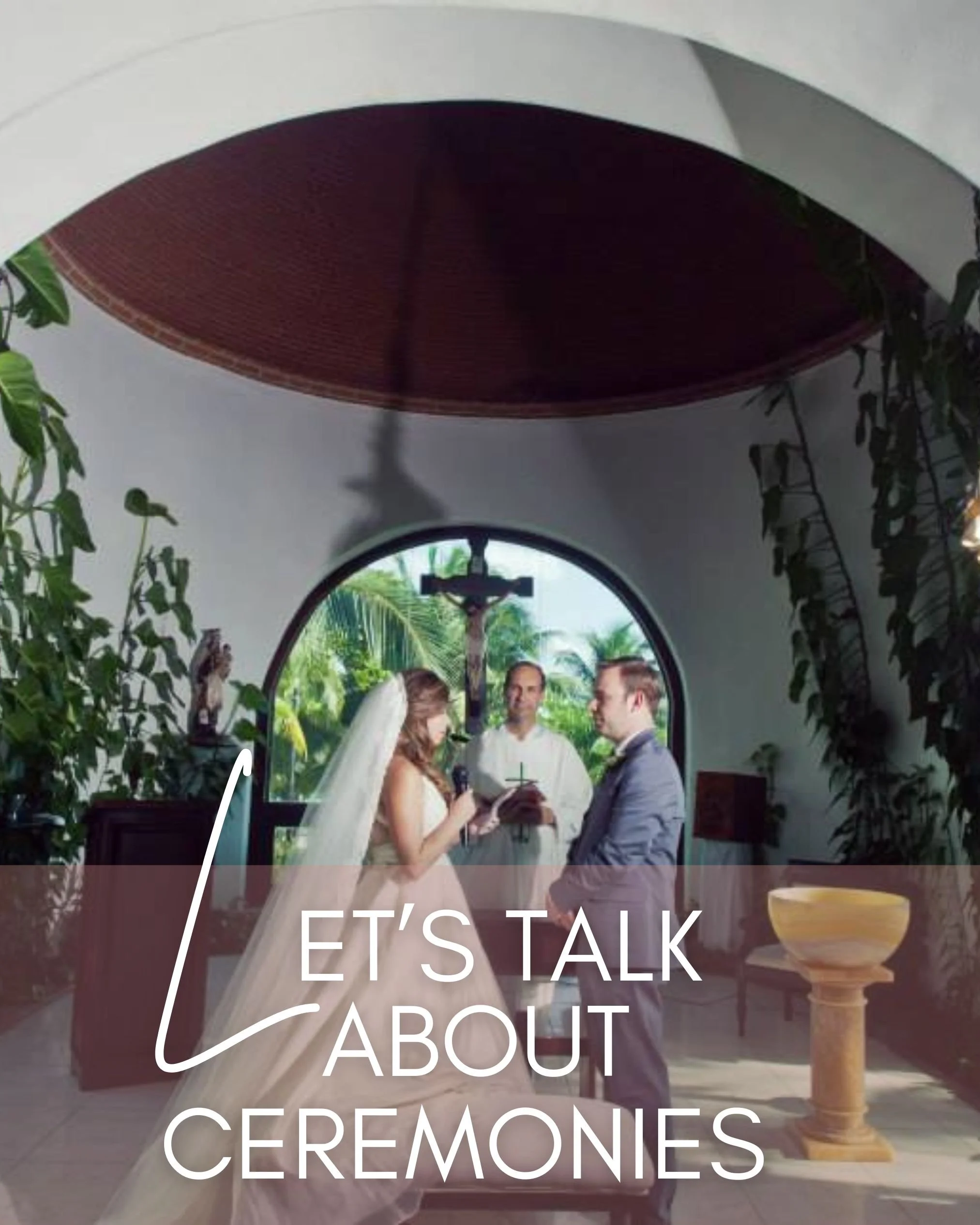
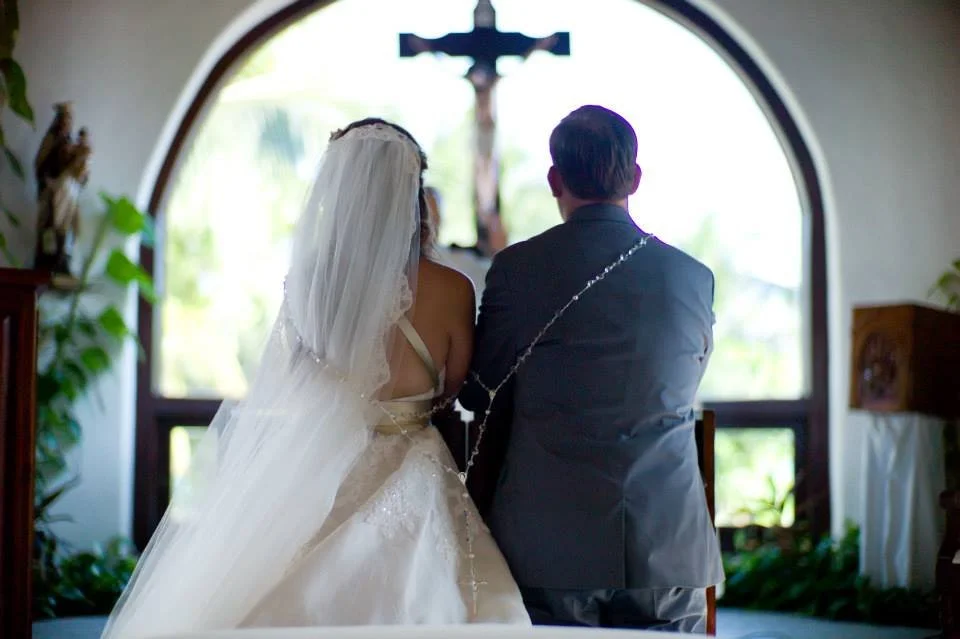
Saying my vows…
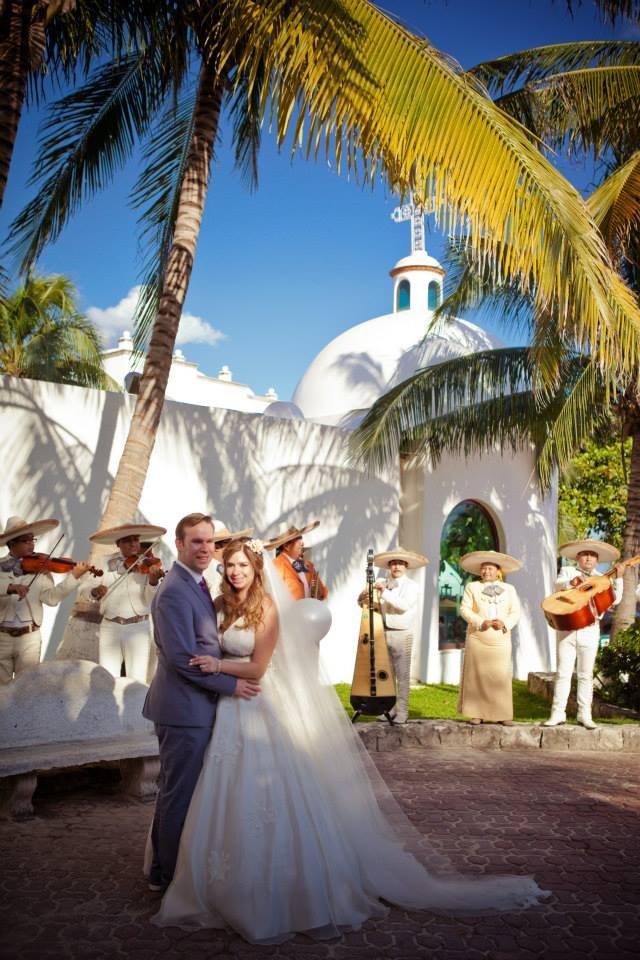
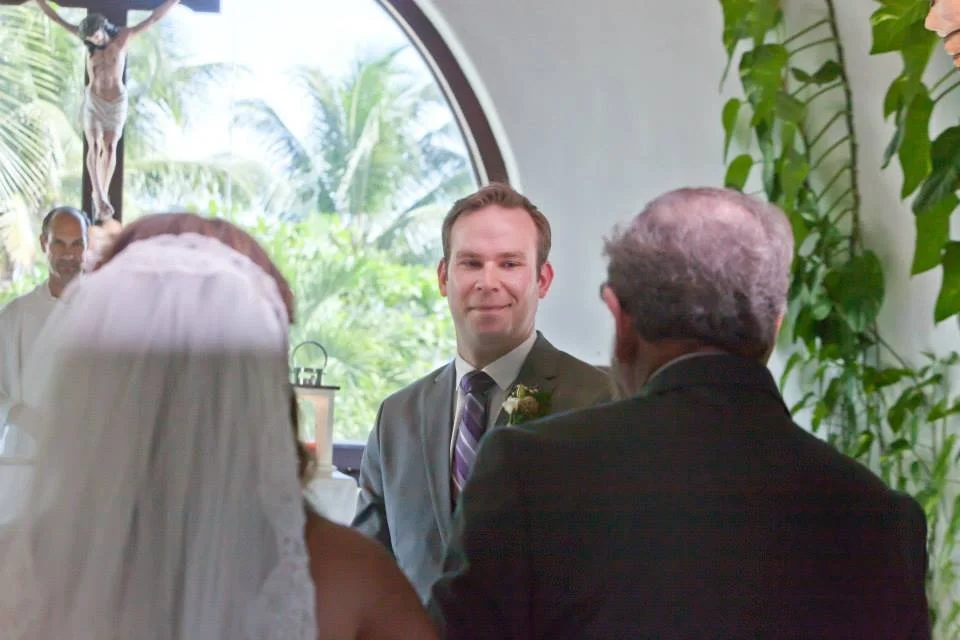
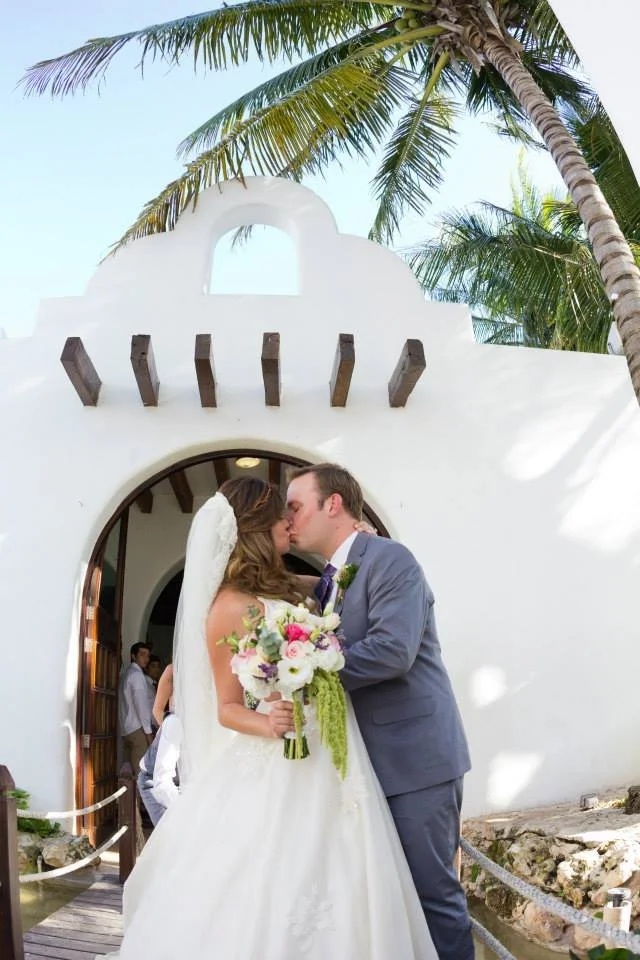
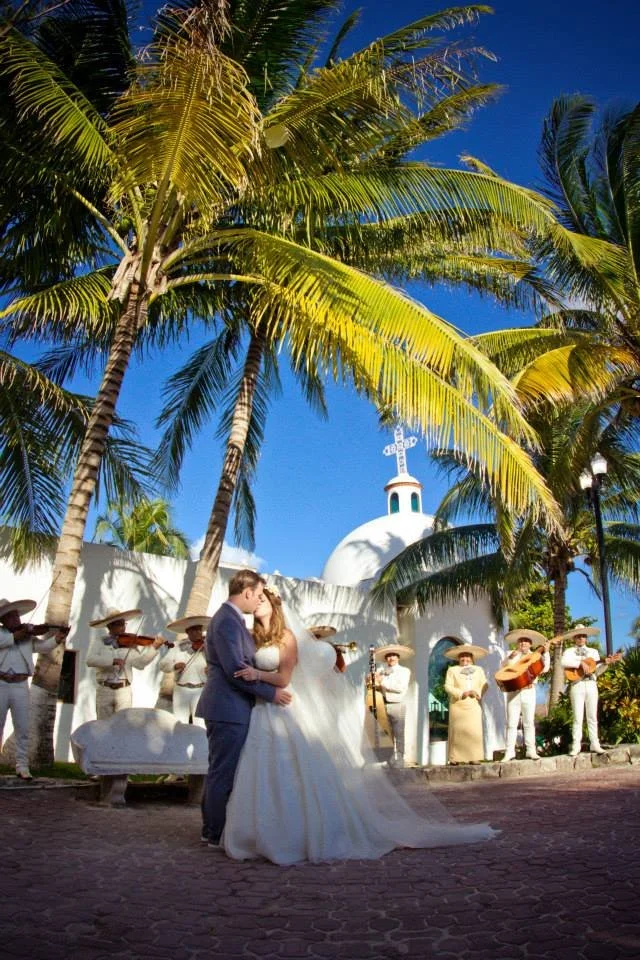
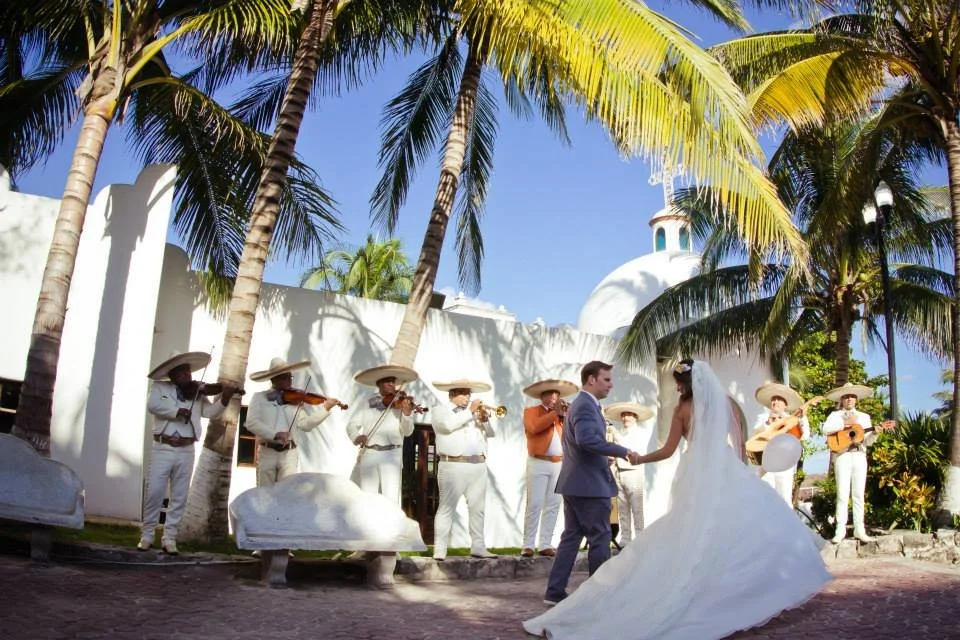
Hola! Today we’re going to talk about wedding ceremonies — your options, the legalities, the process, and of course, I’m going to shower you with my story and a bunch of photos from my Catholic ceremony in Playa del Carmen.
There’s a lot to unpack here, which is why I didn’t jump straight into Wedding, Part Two. Make sure you read until the end, because I’ll go a little deeper into the legal side of things there.
I’ll be honest — I had a lot of concerns about doing a Catholic ceremony in Mexico. Mexico is very strict when it comes to marriage, and that applies to a lot of things. On the religious side, pre-Cana can last up to six months, priests are not always flexible, and ceremonies tend to follow the “this is how it’s always been done” structure.
And I knew that wasn’t fully me.
I really, really wanted the ocean. I wanted to be near the beach. I also wanted to write my own vows. I didn’t want to just recite something that didn’t feel personal. That’s just who I am.
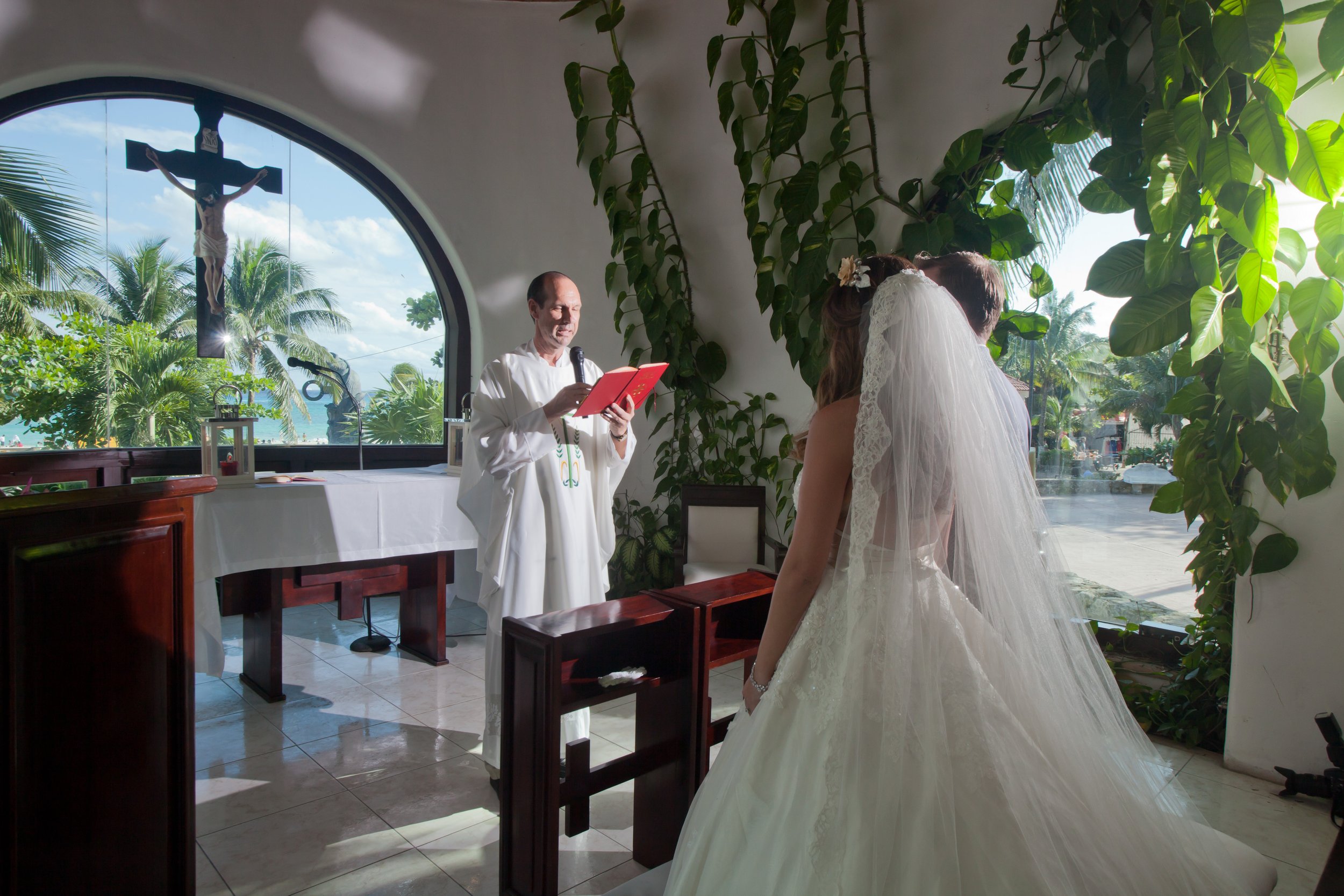
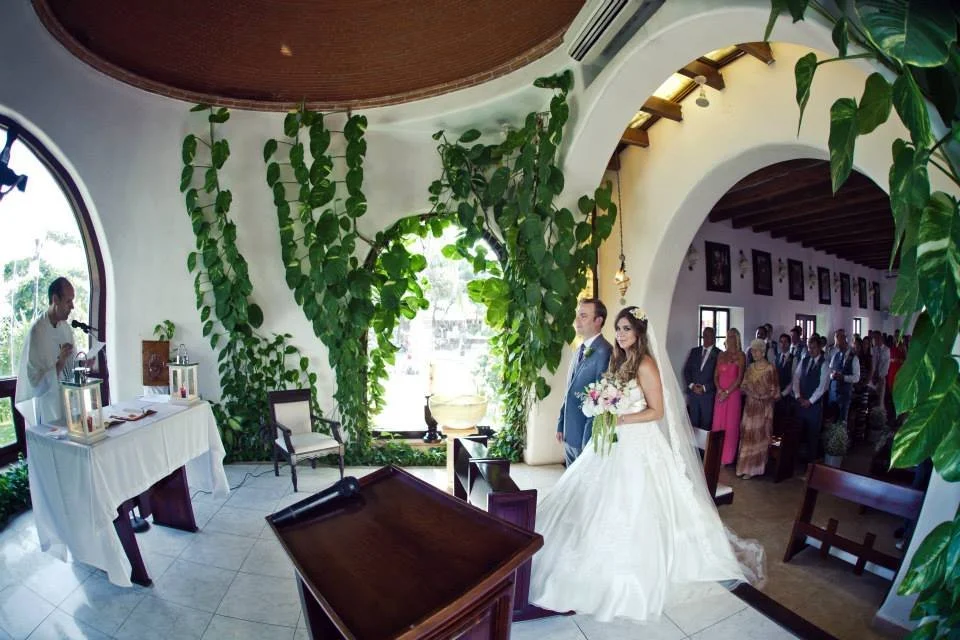
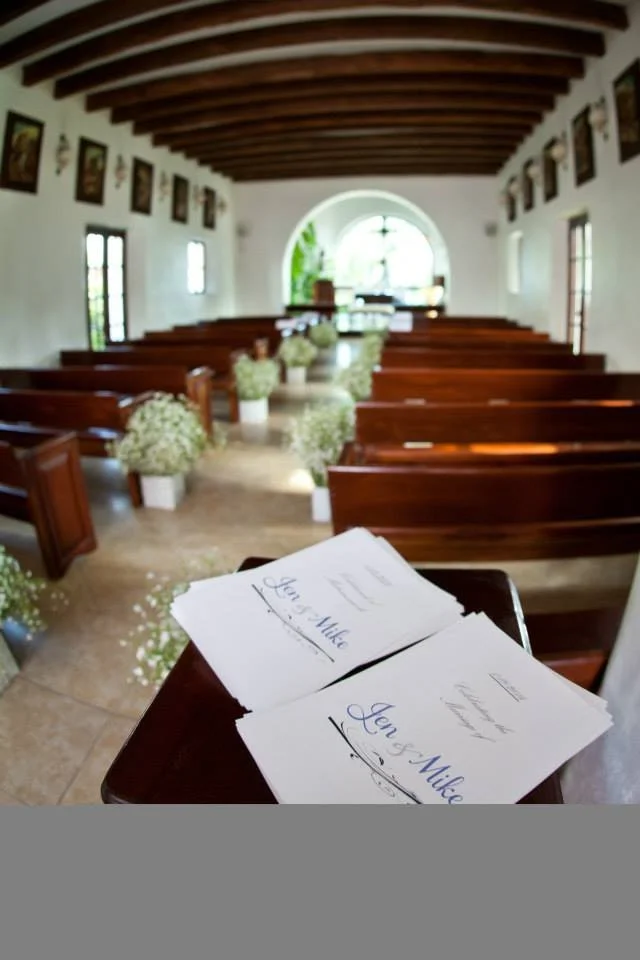
On top of that, Mike is agnostic. He didn’t grow up practicing any religion, so it wasn’t something he felt strongly about either way. I was raised Catholic, but it was never really my cup of tea. Still, my mom really wanted me to get married in a church. When I found a church with a view of the ocean, it was stunning, and that felt like a compromise I could live with.
Then came the next challenge: the priest.
The ceremony was going to be attended by Mexicans — many of whom speak English, but not all, including my parents — and Americans who don’t speak Spanish at all. So the ceremony needed to be bilingual.
Our priest ended up being from Australia. Fortunately or unfortunately, he had a very thick accent in both Spanish and English. Spanish was his second language, and his English was very Aussie. To be honest, not everyone fully understood every word of the ceremony, but when I met Father Peter, he was just lovely. Truly lovely.
I laid it all out for him. I told him my concerns. I told him I wanted to say my own vows. I told him I didn’t want an hour-long ceremony. I didn’t want communion, because Mike isn’t Catholic and couldn’t participate, and that didn’t make sense to me in a wedding ceremony.
And he said, “Why don’t we just do the Rite of Marriage?”
I remember asking, “What’s that?”
And he said, “We cut everything else.”
We removed the full Mass. No communion. No extra elements. Just the rite. One reading, one short sermon, and the vows. He told me I could say my own vows as long as we also said the traditional church vows at the end. And I said, “Okay, done.”
That flexibility is what made me say yes and book the church.
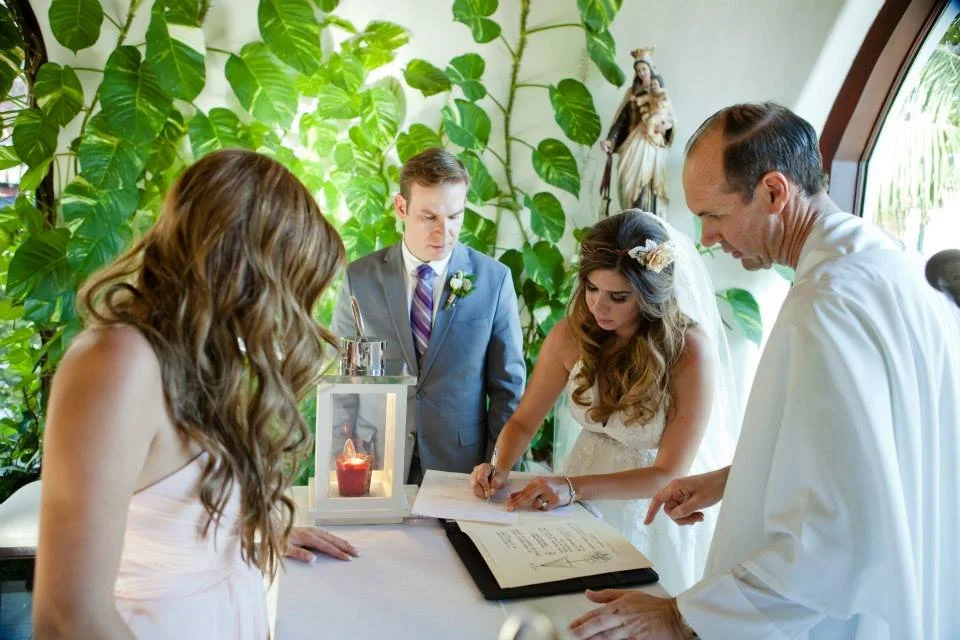
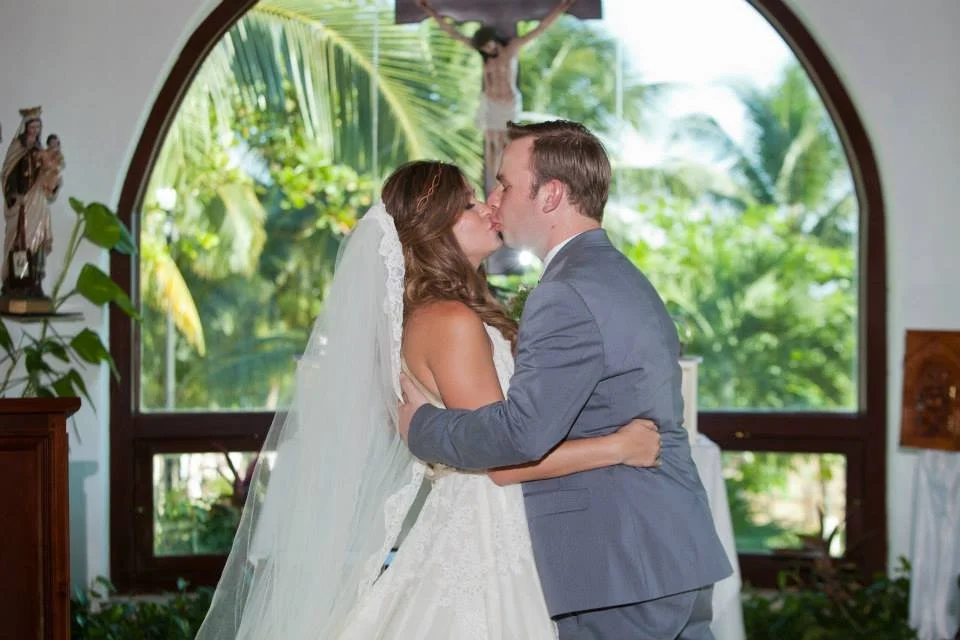
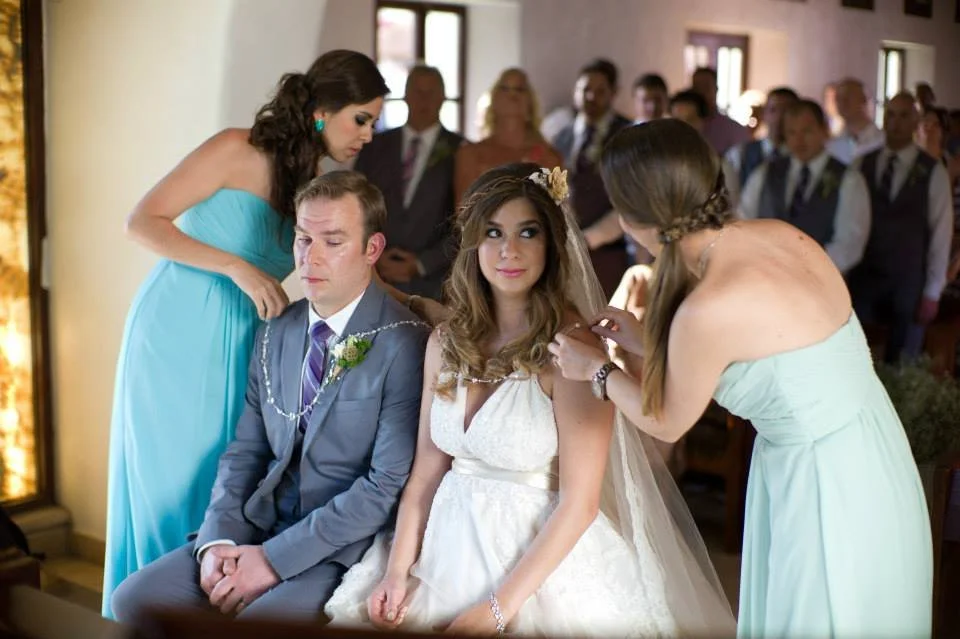
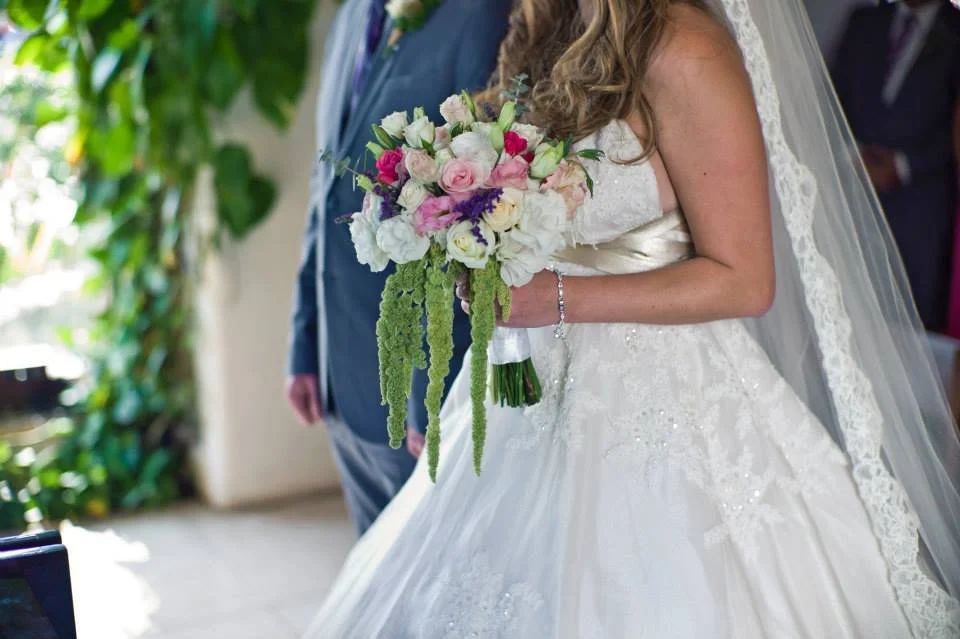
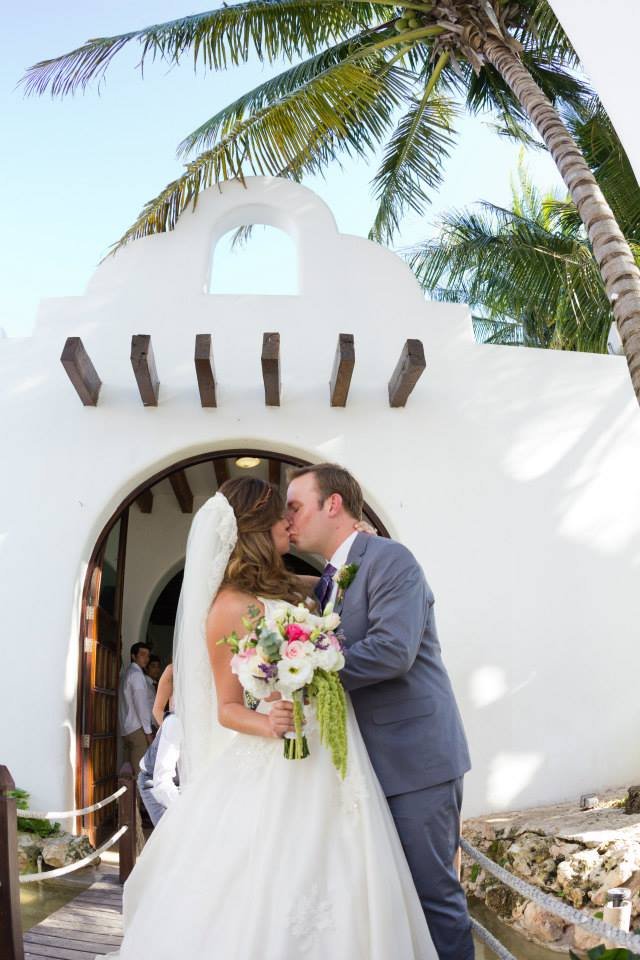
And honestly, I loved every second of it. It was emotional, it was special, and it was beautiful. You can see it in the photos. I said my vows. Mike said his vows — which I already talked about in Wedding Part One, because he said them in Spanish before me. Then I said mine to him in English. The reading was half in Spanish and half in English. It was simple, meaningful, and exactly what we wanted.
From that experience, my big takeaway was this: the priests in Playa del Carmen, because they’re used to destination weddings, tend to be much more flexible than people expect. That made all the difference for us.
Now, I want to switch gears and talk about one of the most common questions I get: should you get married legally in Mexico, or in the States?
Here’s the truth. A ceremony in Mexico — religious, spiritual, symbolic, magical, whatever type of ceremony you choose — is not legally binding. This is very different from the U.S. Just because you get married in a church in Mexico does not mean you are legally married in Mexico, and if it’s not legal there, it’s not legal anywhere else.
To get legally married in Mexico, it’s a whole process. You have to meet with authorities, have a formal conversation about what marriage entails, decide how you’ll separate assets, and go through all of that together. And yes, you also have to have blood work done to disclose any medical conditions. They take it very seriously. It’s a legal contract, and they want you to fully understand it.
You can absolutely do it — but you usually need to start the process about a week before your wedding. Most officiants handling legal ceremonies are not very bilingual, and the process itself feels much more like a legal appointment than a beautiful wedding moment.
Because of that, most Mexicans actually get legally married six to eight months before their wedding day, and then they just do the church ceremony on the wedding day itself. That’s exactly what we did.
There’s one more thing that makes getting legally married in Mexico more complicated, and this is the part people don’t think about enough. All of your documentation has to be translated into Spanish and notarized. Once you’re married, all of your certificates are issued in Spanish.
So then you come back to the States… and guess what? You have to translate everything back into English, notarize it again, and submit it to your local authorities so your marriage is recognized here. If you ever need additional copies later — for example, when you have a child and need a marriage certificate — it’s not as simple as walking into City Hall. Retrieving documents from another country, plus translations, can be a process.
Because of all of that, my advice — to myself and to every single couple I’ve worked with so far — is this: take care of the legal part in the city where you live. Have your ceremony in Mexico however you want it. Religious, spiritual, symbolic, whatever feels right to you. But keep the legalities close to home.
Another question couples always ask is when to do the legal marriage.
Full disclosure, about 75% of my couples do it before they travel. My advice is always to look at real life. Look at taxes. Look at insurance. Look at when it actually makes sense to legally join your lives.
In our case, we did it fairly quickly because I needed to be on Mike’s insurance, and it made sense for us to start filing taxes together. For many couples, the end of the year makes the most sense. They do a quiet courthouse wedding before the new tax year starts, often before the destination ceremony. It can be very discreet — two witnesses, five minutes, done. Or it can be a moment if you want it to be. Either way is valid.
Getting legally married in the States is honestly very easy. You apply for your marriage license, show up, sign the paperwork, and you’re good to go.
One last thing, and this is important. Even if you legally marry before your wedding, do not change your name yet. If you do, you’ll need a new passport. So, if you’re considering taking your partner’s last name, I strongly suggest waiting until after the wedding and travel are complete — or at least planning that timing very carefully.
That’s it. That’s the real talk.
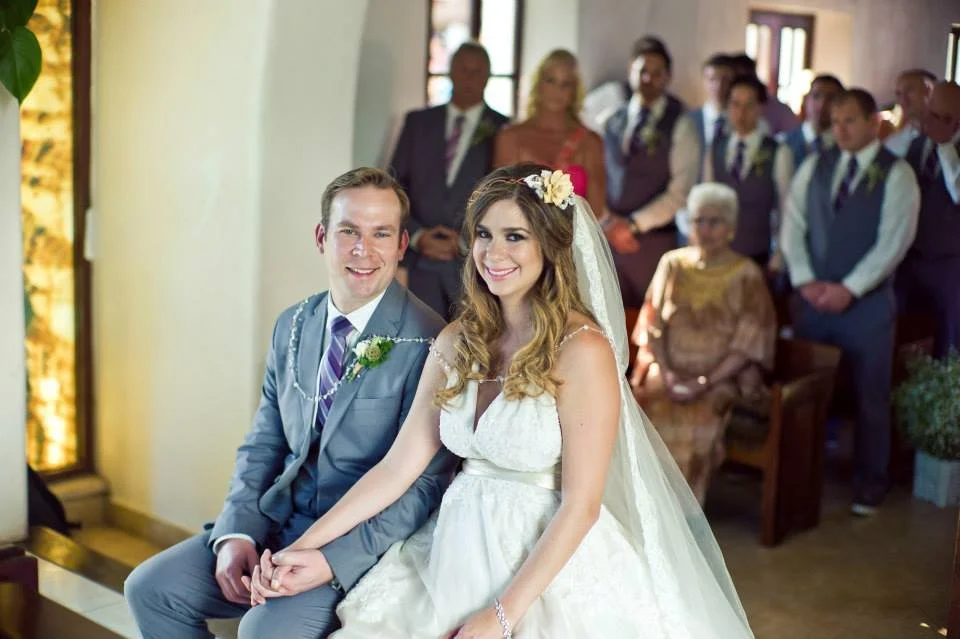
Enjoy these photos from my ceremony. Follow along for the next journal — Wedding, Part Two — and then we’ll wrap this whole story with Trash the Dress this weekend.
All the love.
We did!
11981 419 48871 71427321893 54121381948 91688 741 8888 5197148